
My favourite examples of the plant life in Wales
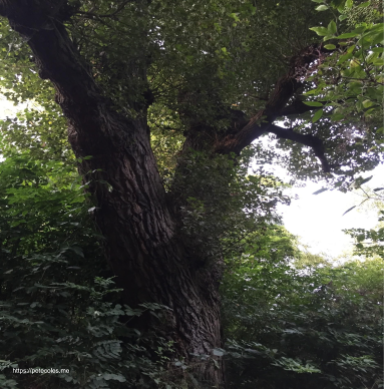
Black poplar
A native tree to Wales and England it is a rare species protected by section 13 of the wildlife and countryside act 1981 protecting them from being uprooted without permission. It can be found in river valley flood plains around gravel pits and ditches yet populations have dropped massively in recent years. Growing to a height of 20-25 meters they are massive trees with thick fissured trunks, it is estimated that only 8,000 of these trees remain in the U.K with only 400 being female this decline has been caused by a decrease in suitable wetland habitat, the removal of the trees due to their seeds being considered a “nuisance”, and the extensive planting of hybrids now many black poplars are getting old with no new generations to replace them, the wildlife trust is helping them with veteran tree surveys, planting and sympathetic wetland management you can help by supporting your local trust and becoming a member.