

Welsh animal life

My favourite examples of animal life in wales


The animal life of Wales, such as land based animals, on this page we will hopefully inform you of the species of Wales.


Beaver


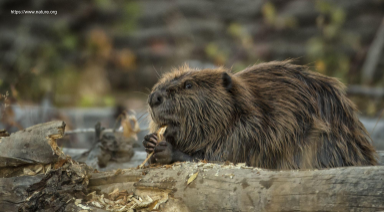
Considered the largest Eurasian rodent, they were nearly hunted to extinction in Europe and completely extinct in the UK in the 16th century, now reintroduced to Europe, England wales and Scotland in 2003 their population was estimated to be at 600,000 across Europe. Beavers have a large impact on the environment they live in by moving wood and other plant material in their home range, felling small trees, bushes and shrubs for food and dam construction. They are herbivores eating aquatic plants, grasses, ferns and shrubs in summer. Living in small families of 3-5 of an adult pair, “kits” the new-born, “yearlings” and sub-adults, the typical longevity being 7-8 years with the females reaching the reproductive age at 3 and are capable of having one litter of 2-3 kits every year. Normally found in open woods alongside rivers, old river beds and lakes woodlands of oaks, ashes, alders, elms, willows, poplars and birches with undergrowth


Fallow deer


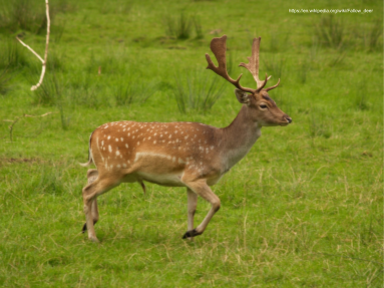
Non-native yet naturalized, a widespread species of deer that were first introduced by the Romans during the Roman period of conquests, they were kept in enclosures and went extinct in the British isles when the Roman empire collapsed, they were introduced in the 11th century from the eastern Mediterranean and kept in reserves for the nobility, eventually these reserves were abandoned and the population spread out and grew. Preferring mature broad leaf woodland,open coniferous woodland and agricultural farmland they graze on grass in the summer and roots of trees and shrubs in the autumn and winter. The population density and habitat both influence group size and gender segregation normally staying apart for most of the year and only rejoining the group to breed. Most populations in the U.K are found in England and Wales. Bucks generally live for 8-10 years does for 12-16 years, the breeding cycle of the fallow deer involves a rut to attract a mate, after breeding a gestation period of 234 days followed by most births being june or july. Normally they are considered pests by farmers and foresters and are a common cause of road accidents to help them out simply stay clear of them they are not territorial so will not attack if you are in a common spot they inhabit they often will not confront anything at all and run away, leave it to the professionals.