

Scottish marine life

My favourite examples of marine life in Scotland


Orca


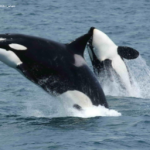
Able to grow up to 9 m in length, weighing between 2,500-6,000 kg with an average lifespan of 20-25 years they are one of the top predators of the world’s oceans and are the largest of all dolphins they are carnivores (hence the name “killer whale”) feed on fish, porpoises, and in certain areas such as Shetland or Orkney, on seals. When hunting they commonly make coordinated attacks to take on prey such as large whales which they hunt on occasion. They are notable by their back and white pattern and large dorsal (back) fin that can reach up to 1.8 meters tall which is commonly larger on females while males are larger in general. They live in pods of 50 and there are expected to be 50,000 in the world’s oceans. They are protected in the UK under the wildlife and countryside act 1981, the are also listed under CITES appendix II and are also classed as a priority species in the UK biodiversity action plan. They are a rare species and only really seen around the north coast.


Basking shark

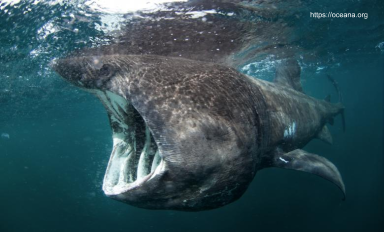
Able to grow to a length of 12 m, up to a weight of 6 tonnes with a lifespan of anywhere from 20-100 years. They are the second largest shark in the ocean they feed on plankton which they filter out of the water after taking massive volumes of water. They can be identified by their large black triangular dorsal fins which you can see moving slowly back and forth in the water with the tail or snout sometimes in view above the waves they have a large grey body. Beyond this not much is known about this species it is known they migrate constantly thanks to satellites but we don’t know what they do most of the time when they aren’t feeding. They are classed as vulnerable by the IUCN red list, also listed under the CITES appendix II and classified as a priority species in the UK biodiversity action plan. You can help this species by reporting all sightings to a wildlife trust as they are working with researchers to learn more about this elusive species, maintain a 100 m distance from them if found out at sea as they are still sharks and can be unpredictable. If they close the distance do not move the boat and make as little noise as possible.